


About us

Contact Us

English

A research study for glomerular diseases

Antibodies can cause damage to the kidneys in several glomerular diseases. Researchers are working to see if a new medicine that changes the way B cells make antibodies can decrease the damage to the kidneys.

The PIONEER study is a clinical trial for people living with one of the following glomerular diseases causing damage to the kidneys:

  • IgA Nephropathy (IgAN) with or without vasculitis
  • Primary membranous nephropathy (pMN)
  • Nephrotic Syndrome (MCD/FSGS)

What is the PIONEER study about?

This study tests an investigational medication, atacicept, for the treatment of multiple types of glomerular (kidney) disease and will enroll up to 250 eligible participants.

The investigational drug works by targeting the immune cells that make antibodies, called B cells. By inhibiting these cells, it may help treat kidney diseases caused by antibodies.

NOTE: All participants will receive active medication (i.e. no placebo is given).

What is Glomerular Disease?

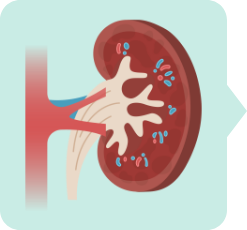
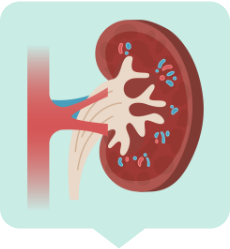
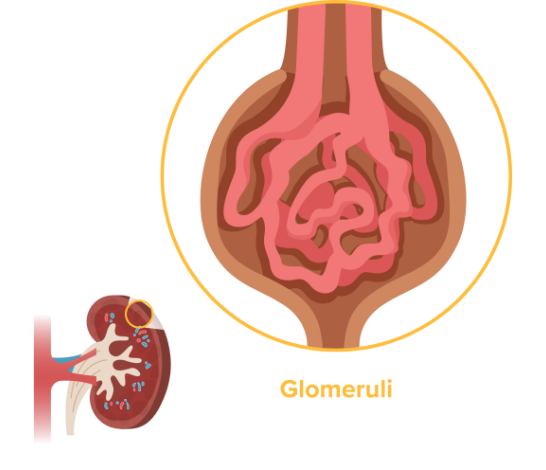
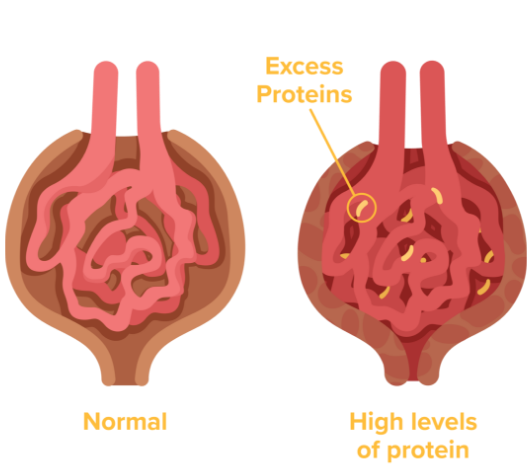
Glomeruli are the tiny filters in the kidney that clean the blood. Glomerular disease is an umbrella term that includes many conditions that damage the glomeruli. When glomeruli are damaged protein leaks into the urine. Over time, the damage can lead to kidney failure.

Abnormal antibodies are the source of damage for several glomerular diseases.

The PIONEER study is enrolling participants with the following glomerular diseases:

What is Glomerular Disease?

IgA nephropathy (IgAN) with or without vasculitis

IgA nephropathy (IgAN)

  • IgAN is a disease where defective IgA antibodies build up and form clumps inside the glomeruli. The antibody buildup causes kidney damage over time. Signs of disease activity or damage can include blood and/or protein measured in the urine.
  • IgAN is typically diagnosed by kidney biopsy where clumps of IgA and IgG antibodies are visible under the microscope.
  • The most common age at diagnosis is between 10 and 40 years old.
  • Symptoms can include blood in the urine, foamy urine, and swelling of the arms or legs.

IgAN with vasculitis (IgAVN)

  • Formerly known as Henoch Schönlein Purpura (or HSP), IgAVN is a disease of the blood vessels and kidneys.
  • Similar to IgAN above, the IgA proteins damage the filters inside the kidneys (glomeruli).
  • In addition, the antibodies also cause inflammation in blood vessels which can lead to skin rash (purpura), abdominal pain, poor blood flow to the intestines, or inflammation in the joints.
  • When affecting the kidneys, blood and protein may be visible in urine. High blood pressure and swelling might also occur.

What is Glomerular Disease?

Primary membranous nephropathy (pMN)

  • Primary membranous nephropathy (pMN): In most people with pMN, the immune system makes antibodies (anti-PLA2R antibodies) against the glomerulus filter cells allowing high levels of protein to pass through the filter.
  • If the protein loss is high, it can cause low protein levels in the blood (called albumin) leading to swelling in the body (edema).
  • pMN is typically diagnosed based on a combination of blood tests, urine tests, and kidney biopsy.
  • The antibodies cause the leaking of proteins and if they remain for a long period of time, they damage the kidney filters leading to kidney failure.

What is Glomerular Disease?

Nephrotic syndrome (MCD and FSGS)

  • Nephrotic syndrome (MCD and FSGS): Nephrotic syndrome is a family of diseases where the glomeruli leak large amounts of protein into the urine. The extensive protein loss into the urine lowers the protein levels (called albumin) in the blood leading to swelling in many parts of the body.
  • A kidney biopsy is typically performed to determine the cause of nephrotic syndrome. Two common findings on biopsy include a specific pattern of scarring (aka Focal Segmental Glomerulosclerosis or FSGS) or little change under the microscope (aka Minimal Change Disease or MCD).
  • The most common treatment for MCD and FSGS is steroids taken for weeks to months until the protein levels in the urine return to normal.
  • In some people, the protein loss in the urine and swelling returns after treatment, called a relapse. When relapse occurs, multiple treatment courses may be needed to keep the disease under control (or in remission).
  • Recently, an antibody that attaches to the kidney filter (called anti-nephrin) was discovered in the blood of some people with MCD or FSGS. Testing for the anti-nephrin antibody is currently only available in research studies. Studies so far suggest that anti-nephrin antibody levels are increased when nephrotic syndrome is active (relapsing) and decrease when it is under control (in remission), but research is still needed to better understand if and how these antibodies are causing nephrotic syndrome in MCD or FSGS.

What is Glomerular Disease?

Glomeruli are the tiny filters in the kidney that clean the blood. Glomerular disease is an umbrella term that includes many conditions that damage the glomeruli. When glomeruli are damaged protein leaks into the urine. Over time, the damage can lead to kidney failure.

Abnormal antibodies are the source of damage for several glomerular diseases.

The PIONEER study is enrolling participants with the following glomerular diseases:

What is Glomerular Disease?

IgA nephropathy (IgAN) with or without vasculitis

IgA nephropathy (IgAN)

  • IgAN is a disease where defective IgA antibodies build up and form clumps inside the glomeruli. The antibody buildup causes kidney damage over time. Signs of disease activity or damage can include blood and/or protein measured in the urine.
  • IgAN is typically diagnosed by kidney biopsy where clumps of IgA and IgG antibodies are visible under the microscope.
  • The most common age at diagnosis is between 10 and 40 years old.
  • Symptoms can include blood in the urine, foamy urine, and swelling of the arms or legs.

What is Glomerular Disease?

IgA nephropathy (IgAN) with or without vasculitis

IgAN with vasculitis (IgAVN)

  • Formerly known as Henoch Schönlein Purpura (or HSP), IgAVN is a disease of the blood vessels and kidneys.
  • Similar to IgAN above, the IgA proteins damage the filters inside the kidneys (glomeruli).
  • In addition, the antibodies also cause inflammation in blood vessels which can lead to skin rash (purpura), abdominal pain, poor blood flow to the intestines, or inflammation in the joints.
  • When affecting the kidneys, blood and protein may be visible in urine. High blood pressure and swelling might also occur.

What is Glomerular Disease?

Primary membranous nephropathy (pMN)

  • Primary membranous nephropathy (pMN): In most people with pMN, the immune system makes antibodies (anti-PLA2R antibodies) against the glomerulus filter cells allowing high levels of protein to pass through the filter.
  • If the protein loss is high, it can cause low protein levels in the blood (called albumin) leading to swelling in the body (edema).
  • pMN is typically diagnosed based on a combination of blood tests, urine tests, and kidney biopsy.
  • The antibodies cause the leaking of proteins and if they remain for a long period of time, they damage the kidney filters leading to kidney failure.

What is Glomerular Disease?

Nephrotic syndrome (MCD and FSGS)

  • Nephrotic syndrome (MCD and FSGS): Nephrotic syndrome is a family of diseases where the glomeruli leak large amounts of protein into the urine. The extensive protein loss into the urine lowers the protein levels (called albumin) in the blood leading to swelling in many parts of the body.
  • A kidney biopsy is typically performed to determine the cause of nephrotic syndrome. Two common findings on biopsy include a specific pattern of scarring (aka Focal Segmental Glomerulosclerosis or FSGS) or little change under the microscope (aka Minimal Change Disease or MCD).
  • The most common treatment for MCD and FSGS is steroids taken for weeks to months until the protein levels in the urine return to normal.

What is Glomerular Disease?

Nephrotic syndrome (MCD and FSGS)

  • In some people, the protein loss in the urine and swelling returns after treatment, called a relapse. When relapse occurs, multiple treatment courses may be needed to keep the disease under control (or in remission).
  • Recently, an antibody that attaches to the kidney filter (called anti-nephrin) was discovered in the blood of some people with MCD or FSGS. Testing for the anti-nephrin antibody is currently only available in research studies. Studies so far suggest that anti-nephrin antibody levels are increased when nephrotic syndrome is active (relapsing) and decrease when it is under control (in remission), but research is still needed to better understand if and how these antibodies are causing nephrotic syndrome in MCD or FSGS.
Who can join the PIONEER study?
Adults
(18 years or older)

Adults
Adults
(18 years or older)
  • with protein in the urine due to one of the following kidney conditions:
  • IgAN
  • IgAN with vasculitis (IgAVN)
  • IgAN with a kidney transplant
  • Membranous nephropathy (pMN)
  • Nephrotic syndrome (MCD/FSGS)

Other eligibility criteria apply.

Children
(ages 2 to 17 years)

Children
Children
(ages 2 to 17 years)
  • with protein in the urine due to the following kidney conditions:
  • IgAN
  • IgAN with vasculitis (IgAVN)
  • Nephrotic syndrome (MCD/FSGS) that is difficult to treat with steroids

Other eligibility criteria apply.

More About Atacicept

  • Atacicept is an investigational medication, meaning that it is not approved by a regulatory authority like the FDA for use in the general public.
  • However, atacicept has been studied in previous clinical trials in over 1,500 people across multiple health conditions and was found to be generally well-tolerated in those with IgAN.
  • As noted above, atacicept works by targeting the immune cells that make antibodies, called B cells. By inhibiting these cells, it may help treat kidney diseases caused by antibodies.
  • Atacicept is dosed as an injection under the skin once per week at home.

What does study participation involve?

Screening period icon
Screening Period
Screening Period
(up to 4 weeks):
  • Medical history is reviewed and tests are performed to determine if you are eligible for participation in the study.

Treatment period icon
Treatment Period
Treatment Period
(52 weeks or approx. 1 year):
  • You (or a caregiver) will be trained to give weekly injections under the skin at home.
  • Up to 8 visits to the study center for blood and urine testing.

Extension period icon
Extension Period
Extension Period
(Optional up to 3 years)
  • You can choose to continue treatment with the study drug.
  • Visits to the study center about every 3 months (4-5 times per year).
Off treatment follow-up icon
Off Treatment
Follow-up Period
Off Treatment Follow-up Period
(26 weeks or approx. 6 months)
  • Two follow-up visits for blood and urine testing at the study site after stopping the study drug, at the end of the study or if you stop early.

Contact Us

650-770-0077
PIONEERStudy@veratx.com

Vera Therapeutics, Inc. Clinical Trials Information

© 2026 All rights reserved

About Us
HealthUnlocked helps millions connect, learn, and access clinical trial opportunities while building a stronger future for patient care.

Cookie Preferences

Terms & Policies
Terms and Conditions Privacy Policy